Featured in Forbes: From Maritime Heritage to Global Leadership
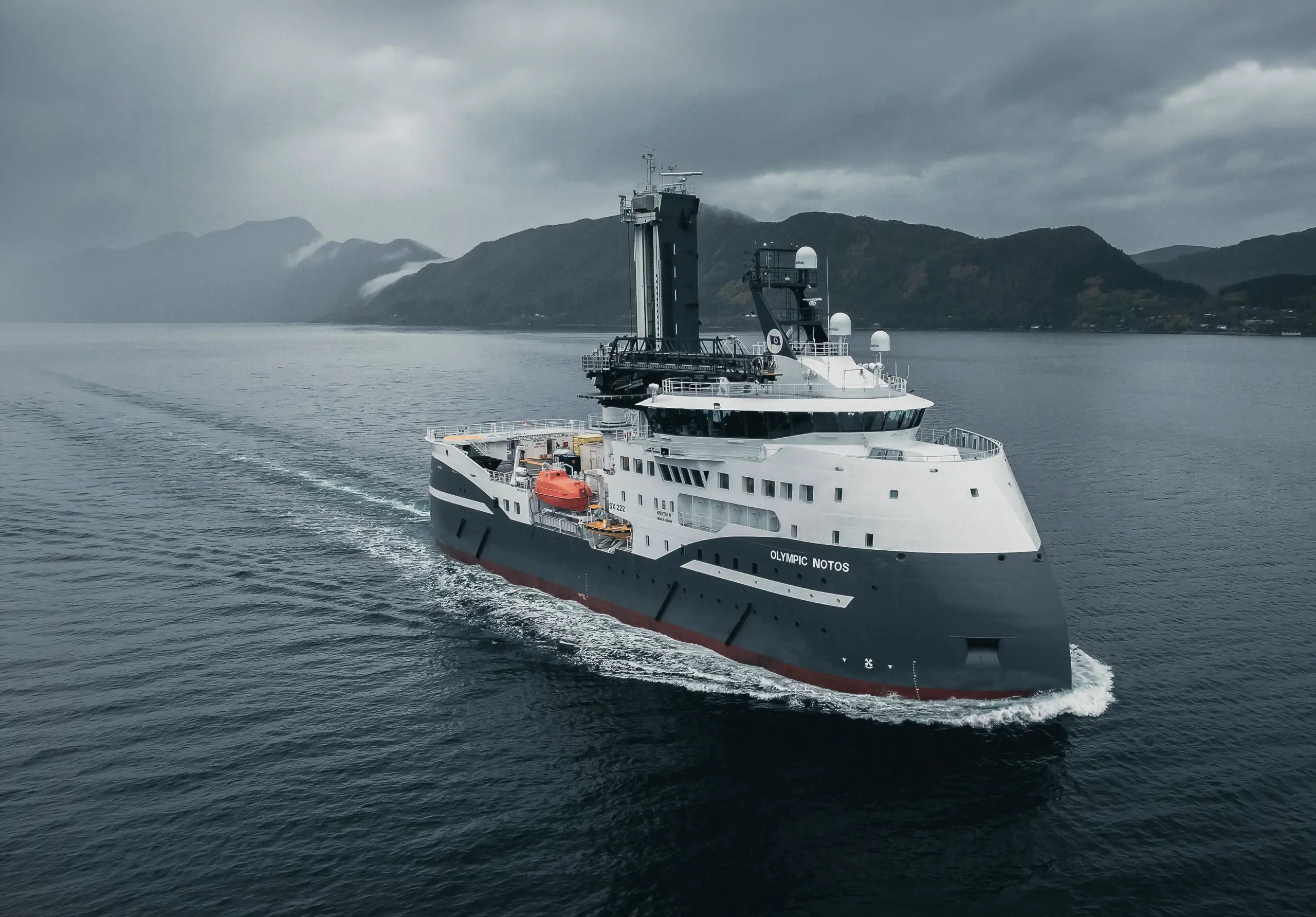
In a recent feature, Forbes turns its attention to Norway’s northwestern coast — and a maritime community that has transformed itself from the heartland of the herring industry into one of the world’s most advanced maritime ecosystems.
Today, almost 200 companies employ more than 15,000 people across the cluster, generating around NOK 85 billion in annual revenues. Shipyards, vessel owners, designers, technology companies, software developers, robotics specialists and research institutions operate within hours of each other — an ecosystem Forbes describes as being compared to Silicon Valley for its ability to turn local expertise into globally competitive technology.
The region has become a proving ground for the future of maritime engineering.”
Forbes
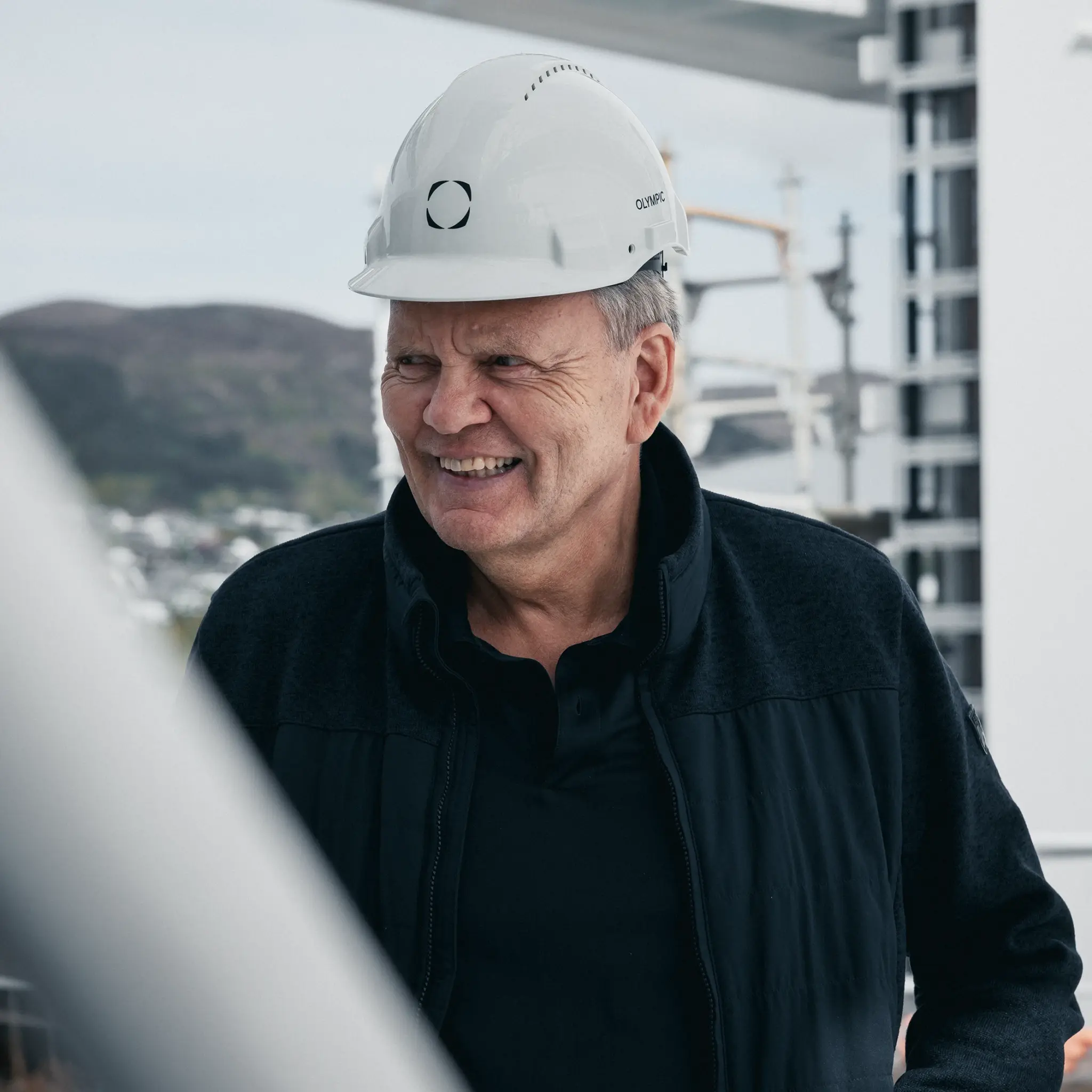
At the heart of the story is a quality deeply rooted in this part of Norway: the ability to adapt. And few stories illustrate that evolution better than Olympic founder Stig Remøy.
Always reading the signals
From his beginnings in fisheries, Stig Remøy has spent a lifetime reading the sea, the markets and the opportunities appearing beyond the horizon.
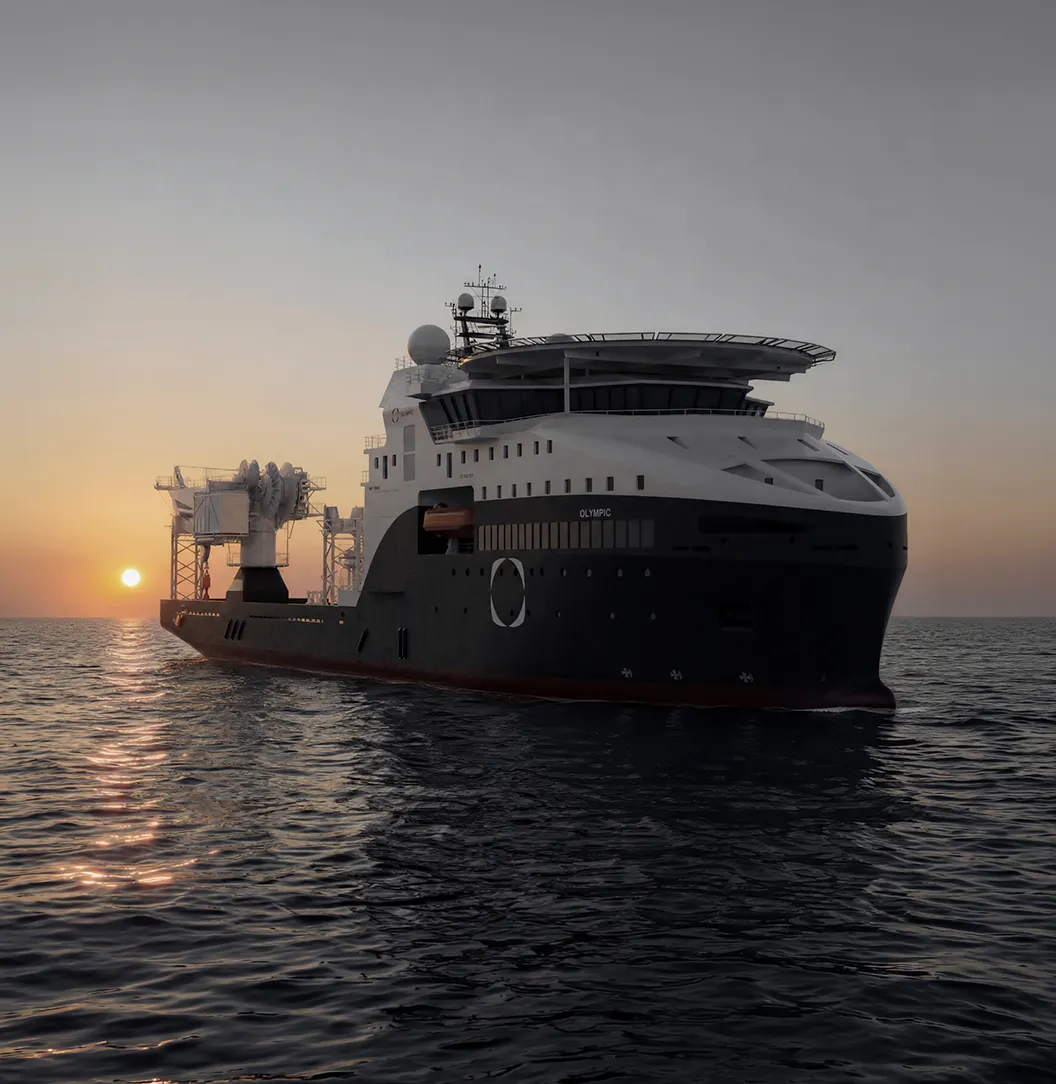
Forbes traces that journey from Remøy’s first fishing vessel to Olympic’s position today, operating an advanced fleet supporting complex maritime operations across offshore energy and the rapidly growing renewable energy sector.
As Remøy tells Forbes: “The ability to read the signals early has always been important.”
That philosophy has shaped Olympic throughout its history.
As offshore operations moved from shallow waters to depths of 2,000–3,000 metres, technology had to evolve. As the energy landscape began changing, Olympic moved early again. By 2012 — before the downturn in oil and gas — the company had already begun diversifying into renewable energy.
Today, that same willingness to anticipate change can be seen across Olympic’s operations, fleet and technology.
Technology built for what comes next
Forbes points to Olympic Boreas as an example of how far maritime technology has evolved.
Advanced propulsion technology, permanent-magnet solutions and a large battery system allow the vessel to perform demanding offshore operations while significantly improving energy efficiency.
But the story is about more than one vessel or one technological breakthrough.
It is about decades of continuous adaptation — and an ecosystem where maritime experience, engineering expertise and entrepreneurial ambition continuously reinforce one another.
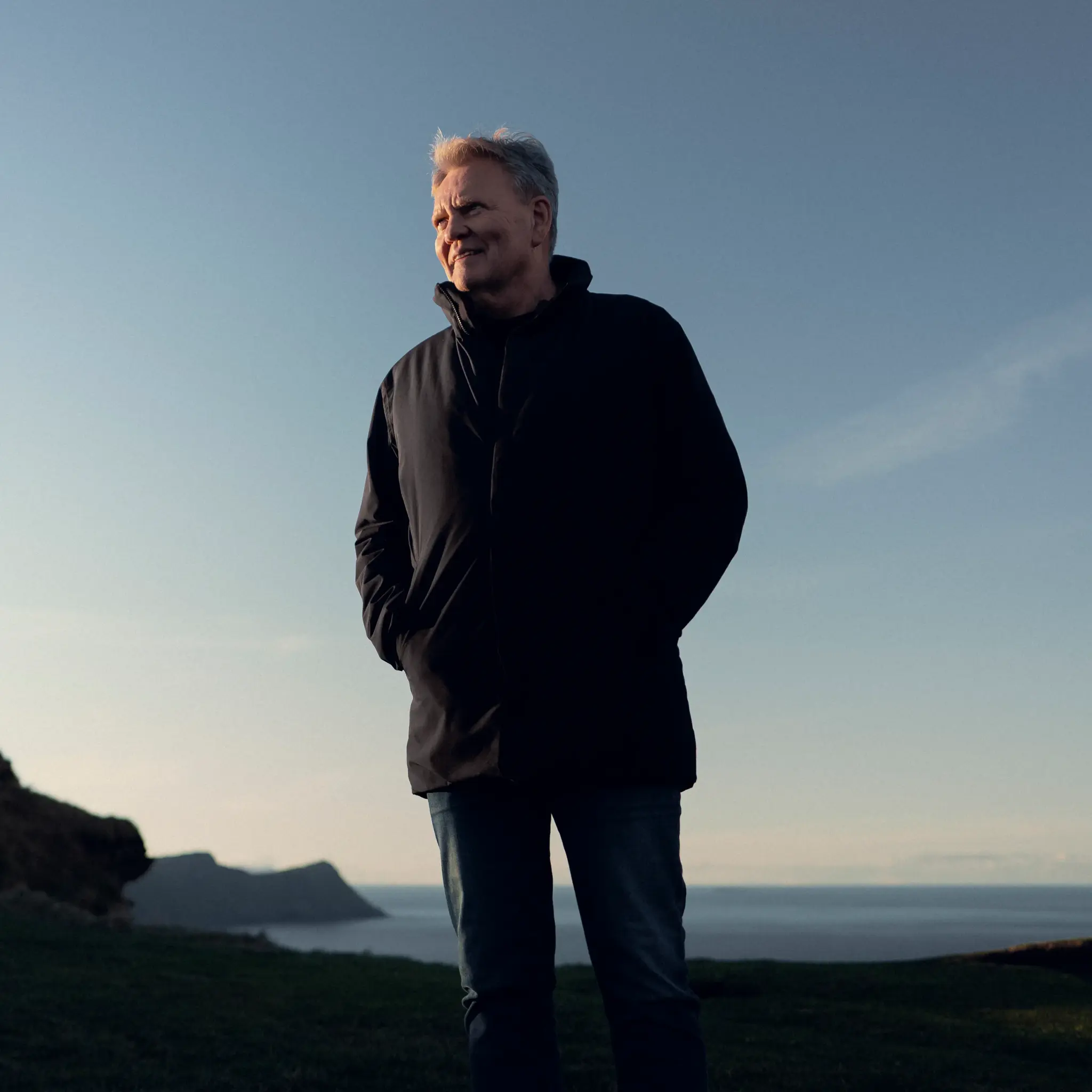
Remøy describes how international expertise originally helped develop Norway’s offshore industry before the balance shifted “In a short time, however, the Norwegian cluster has taken the lead in technology.”
Olympic is both a product of that cluster and one of the companies continuing to push it forward.
From Fosnavåg to the blue ocean
What began with generations making their living from the sea has become expertise deployed in some of the world’s most complex maritime environments.
For Olympic, the direction remains clear: continue developing the people, vessels and technologies required to operate where complexity is high, conditions are demanding, and the opportunities ahead are global.
Or, as Stig Remøy puts it in Forbes: “We want to be in the blue ocean, not the red.”
Forbes closes its story by looking back at the event that forced an entire region to reinvent itself more than half a century ago: the disappearance of the herring.
The fish never returned.
The ingenuity did.
Read the full story on Forbes → From Herring Boats To High-Tech Ships On Norway’s Northwestern Coast